
Strategic Intelligence Feed
Real-time analysis of the resources and power shifts redefining global sovereignty
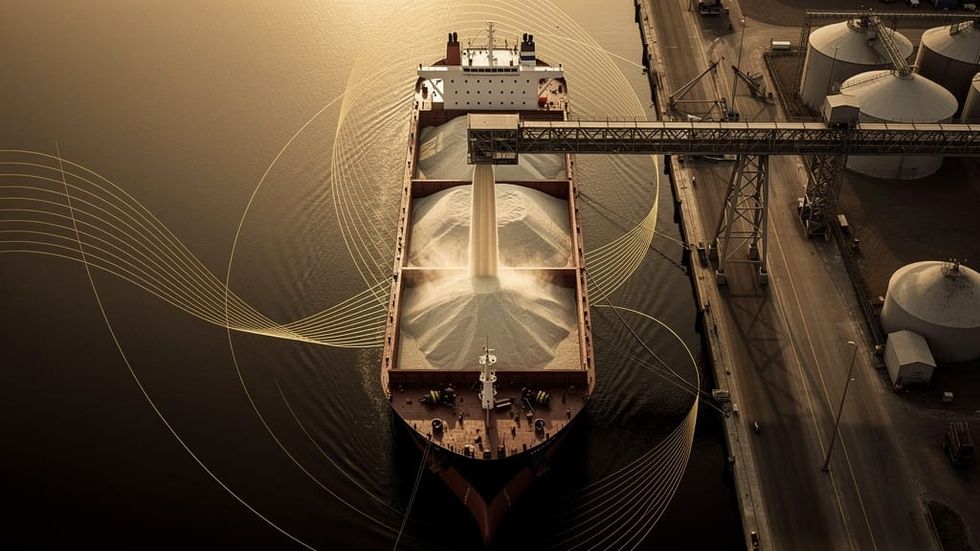
The Choke Point Under Every Harvest
The World Bank's fertilizer price index rose about twelve percent in the first quarter of this year and by April stood at its highest level since October 2022. The Bank expects a rise of more than thirty percent for the year as a whole, with urea up nearly...

Two New Buyers for the Same Gas
American natural gas production is running at a record. The Energy Information Administration puts dry gas output at 111.7 billion cubic feet a day this year, up 4.5 from 2025, with another 4.6 expected next year. Marketed production in the first half was 121.3 billion cubic

A Third of the Debt Comes Due Every Year
The Government Accountability Office reported that 33 percent of marketable Treasury debt matures within twelve months, up from 24 percent in 2014. Against total marketable debt of roughly $30 trillion, that is something on the order of ten trillion dollars that has to be refinanced in any given year regardless
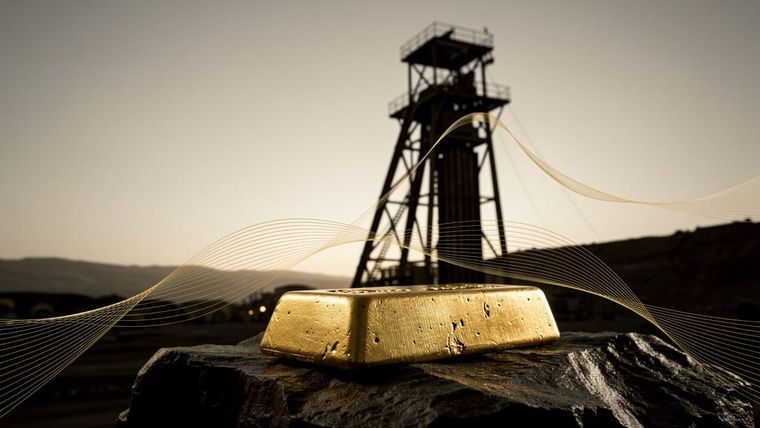
The Price Went Up and the Ounces Did Not
The first quarter of this year produced the highest average nominal gold price ever recorded, up 17 percent on the previous quarter and 70 percent on the year before, with spot briefly touching $5,595 an ounce in January. A price move of that size is supposed to call forth

The Magnet Problem Money Alone Cannot Solve
China introduced export licensing on seven medium and heavy rare earth elements in April of last year, covering samarium, gadolinium, terbium, dysprosium, lutetium, scandium and yttrium. In October it went considerably further, announcing a rule that would require a Chinese licence for any foreign made item containing more than a
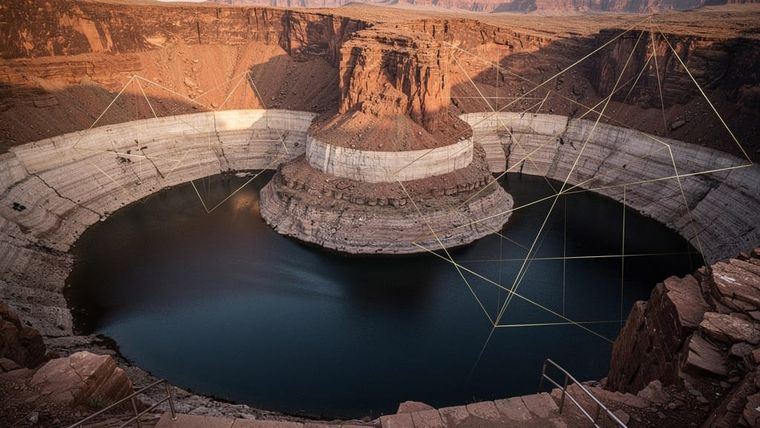
The Paper River and the Real One
The rules that have governed the Colorado River since 2007 expire at the end of this year, and the replacement is now the subject of litigation. The Bureau of Reclamation published its final environmental impact statement on the thirty first of July, setting an operating framework for Lake Powell and

The Metal Almost Nobody Can Make More Of
The World Platinum Investment Council put the 2025 platinum deficit at 1,191 thousand ounces, with supply of 7,240 against demand of 8,431. Its forecast for 2026 is a further deficit of 297 thousand ounces. That will be the fourth consecutive year in which the world consumed more
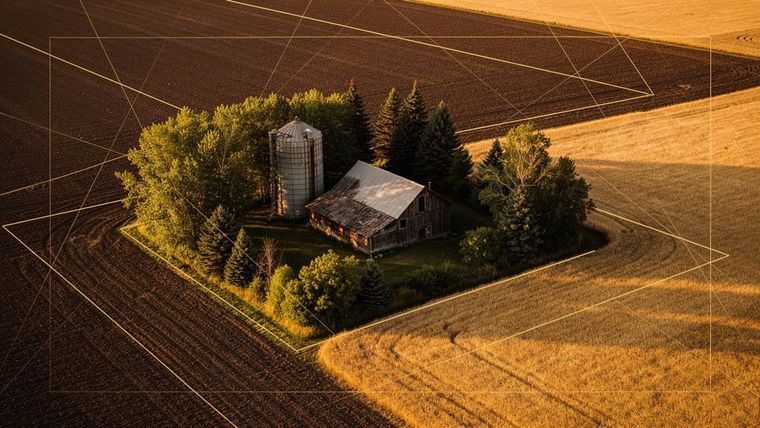
Who Owns the Ground, and Who Is Counting
Foreign persons and entities held 46.3 million acres of American agricultural land at the end of 2024, according to the Agriculture Department's most recent annual report under the Agricultural Foreign Investment Disclosure Act. That is about 3.6 percent of all privately held agricultural land in the

The Balance Sheet Started Growing Again
On the twenty ninth of October last year the Federal Open Market Committee announced that the runoff of its securities holdings would end on the first of December. Quantitative tightening had removed more than 2.2 trillion dollars from the balance sheet since June 2022 and brought the securities portfolio
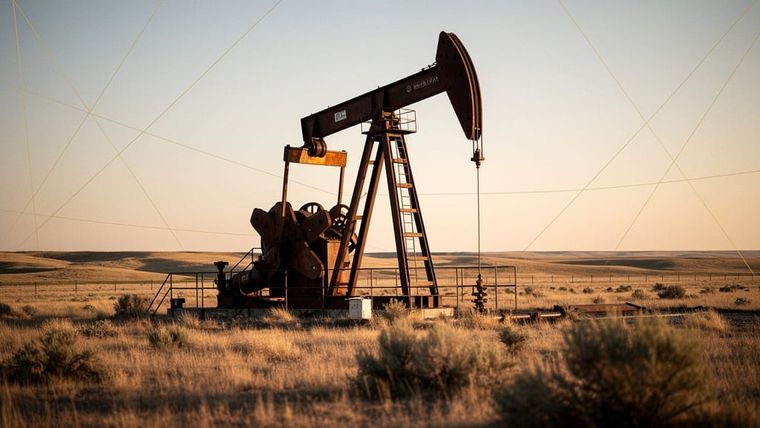
A Chokepoint Closed and the Forecast Reversed
In December of last year the Energy Information Administration expected American crude oil production to fall. Its outlook put 2026 output at 13.5 million barrels a day, roughly a hundred thousand below 2025, which would have been the first annual decline after four consecutive years of growth. The reasoning
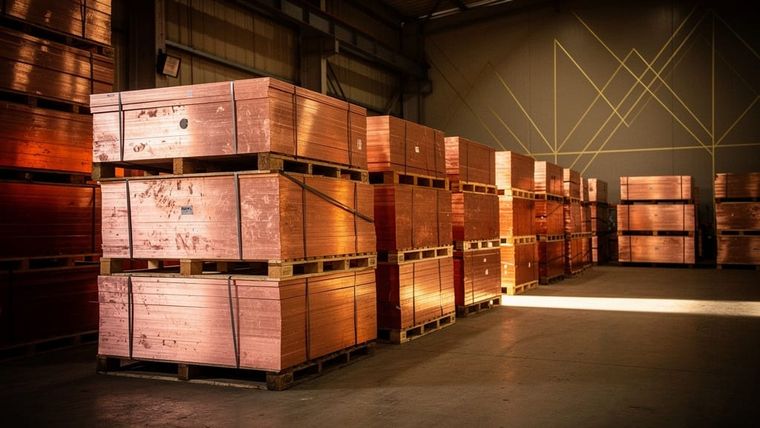
The Copper Is There, the Smelters Are Not
The annual benchmark that copper miners and smelters negotiate each December settled this year at zero. Treatment and refining charges, the fee a smelter collects for turning concentrate into metal, came in at nothing per tonne for 2026, down from $21.25 in 2025 and $80 in 2024. On the
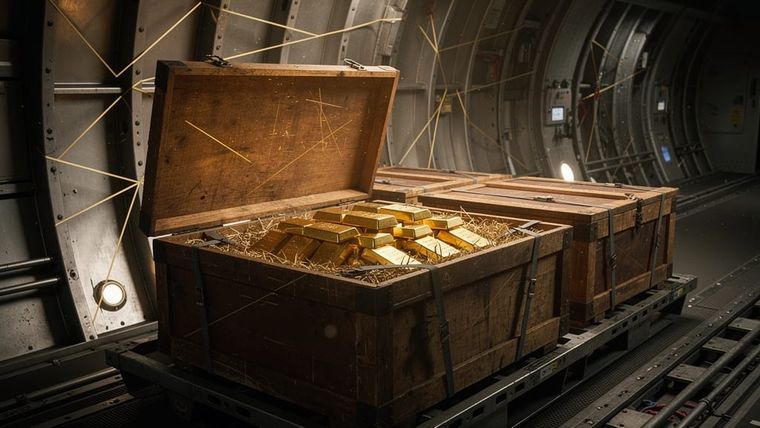
The Custody Question Central Banks Are Quietly Answering
The World Gold Council's 2026 survey of central bank reserve managers drew 76 responses, the largest participation in the survey's nine year history. Most of the attention it received went to the buying, which has been heavy and well documented. The more revealing answers were about
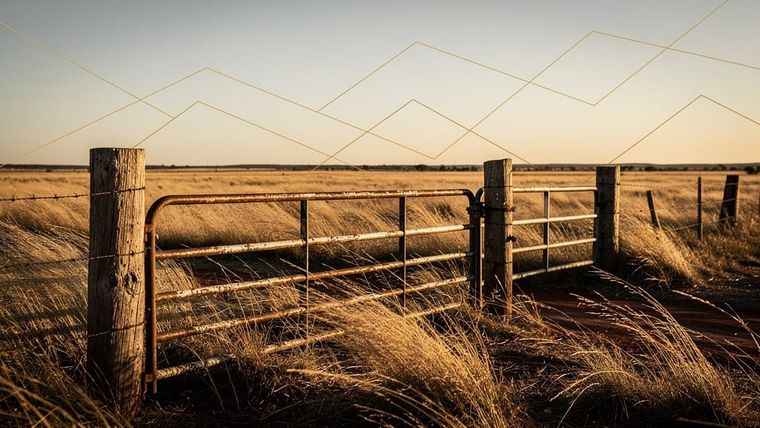
The Land Market Has Quietly Split in Two
The Federal Reserve Bank of Kansas City's agricultural credit survey for the second quarter showed something that does not usually happen in farm country. Ranchland values across the Tenth District rose about seven percent from a year earlier. Non irrigated cropland rose about one percent. Irrigated cropland rose
Join The Sovereign Reserve
Strategic intelligence for the disciplined steward. Join thousands of Americans securing their legacy and navigating the next decade of fiscal instability