Strategic Intelligence Feed
Real-time analysis of the resources and power shifts redefining global sovereignty
The Reserve Was Sold and Then the Strait Closed
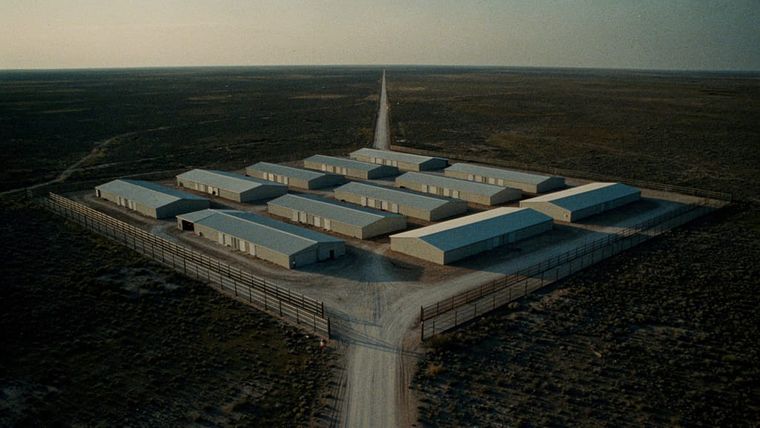
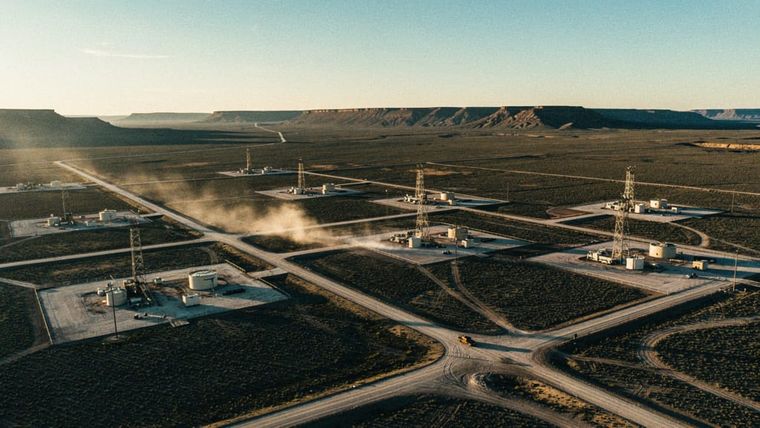
The United States government finished selling the Federal Helium Reserve in June 2024. The buyer was an industrial gas company; the assets included the Cliffside field outside Amarillo and 423 miles of crude helium pipeline, and 460 million dollars went to the Treasury that December. The
The United States government finished selling the Federal Helium Reserve in June 2024. The buyer was an industrial gas company; the assets included the Cliffside field outside Amarillo and 423 miles of crude helium pipeline, and 460 million dollars went to the Treasury that December. The United States Geological Survey now lists the government helium stockpile at none.
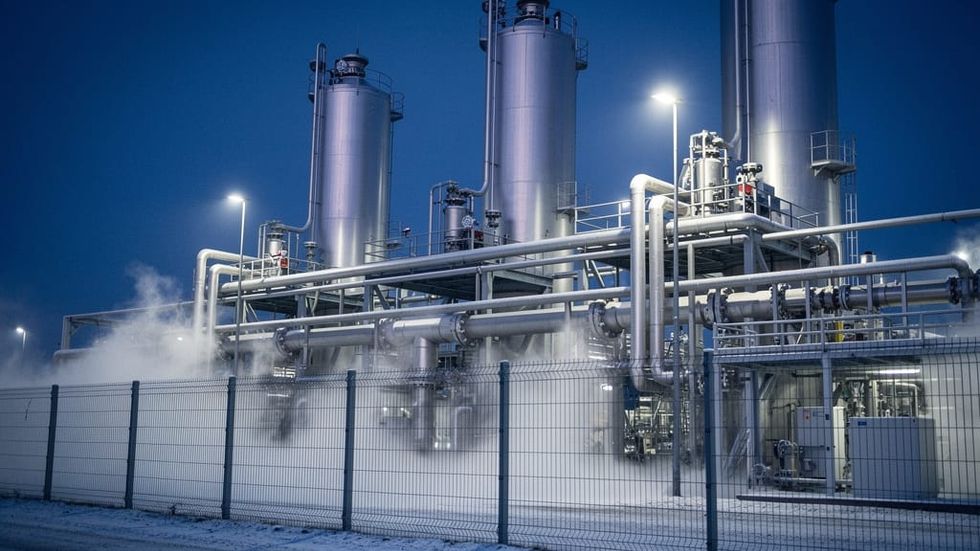
Twenty one months later, on the nineteenth of March this year, missile strikes took the Ras Laffan complex in Qatar offline. Helium is a by product of liquefied natural gas processing, so when the gas stopped the helium stopped with it. Qatar produced 63 million cubic metres of the 190 million the world made last year, and one analyst put the likely loss at about a third of that, roughly eleven percent of global supply. Some two hundred specialised liquid helium containers were stranded in country, holding a gas that boils off within weeks.
Bulk helium in the United States averaged about 98,400 dollars a tonne in the first quarter of this year and 214,700 in the second, an increase of a hundred and eighteen percent in three months.
Then Moscow closed the only plausible alternative, requiring in April that helium exports outside its customs union carry approval from the prime minister or a deputy.
The Historical Echo
The reserve that was just sold spent eighteen years being emptied at a price derived from an accounting entry, and the cleanest evidence of what that cost the public came the moment the metal was exposed to a bid.
The helium programme's net capital was valued at about forty million dollars in 1960. The government then borrowed roughly 252 million from the Treasury to buy helium from private producers. Principal of about 290 million compounded until, by the end of September 1991, the obligation stood near 1.3 billion dollars, more than a billion of it interest.
The Government Accountability Office recommended cancelling the debt in 1992. Congress declined. The Helium Privatization Act of 1996 instead froze the obligation at 1.37 billion dollars and ordered the reserve sold down to repay it, with a minimum selling price set by a formula: the debt still owed divided by the crude helium still in storage, adjusted for inflation.
That is not a price. It is a quotient. It began life at almost double the prevailing private crude helium price, which froze private producers out of the market. Then private prices rose past it and it inverted, so that the government was selling the largest helium stockpile on earth at or below the market price for refined gas. The posted figure in the 2012 fiscal year was 75.75 dollars per thousand cubic feet.
The Helium Stewardship Act of 2013 replaced the formula with auctions. In the summer of 2014 the Bureau of Land Management offered 93 million cubic feet competitively for the first time. Two refiners bought all of it at an average of 161 dollars per thousand cubic feet, more than double the posted price of two years earlier. Helium revenue to the Treasury that fiscal year was 215 million dollars. The taxpayer had carried the difference for eighteen years.
Where Patient Capital Is Positioning
The official series was still reporting a glut on the eve of the squeeze. The Geological Survey's estimated base price fell from about 390 dollars per thousand cubic feet in 2024 to about 330 in 2025. Six months later the bulk price more than doubled in a quarter.
What this episode demonstrates is that helium's defining exposure is not geology and not demand. It is geography. One complex accounts for roughly a third of world output, and its only export route runs through the Strait of Hormuz. Chip makers in South Korea and Taiwan were rationed to about half their normal volumes this year. None of that is a resource constraint. It is a shipping lane.
For capital that thinks in decades there are two durable observations here. The first is that governments are structurally poor holders of physical commodities, because the political incentive is to monetise the inventory against a fiscal number rather than to hold it against a physical risk, and the 1996 formula is the purest example ever written into law. The second is that the useful question about a tangible asset is not how much exists but how many separate routes it has to reach a buyer. American helium reserves are the largest in the world. The constraint is that almost all of the world's working supply passes through a few plants and a single waterway.

The Capital Memo