Strategic Intelligence Feed
Real-time analysis of the resources and power shifts redefining global sovereignty
The Premium for Water Is Exactly Double
Nebraska publishes the cleanest number in American agriculture. As of the first of February, centre pivot irrigated cropland in the state averaged 8,515 dollars an acre. Dryland with the potential to be irrigated averaged 6,070. Dryland with no irrigation potential averaged 4,395. The
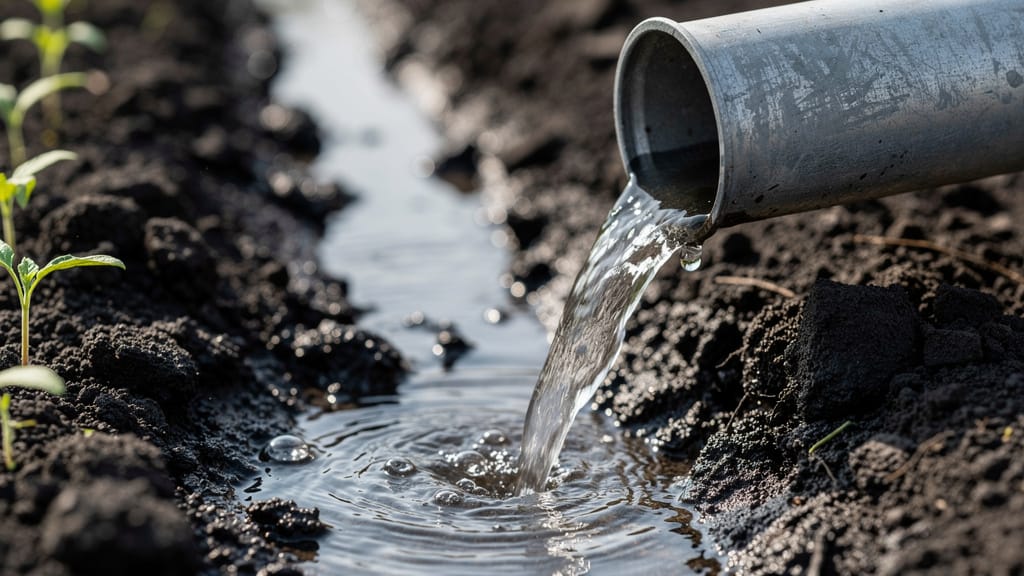
Nebraska publishes the cleanest number in American agriculture. As of the first of February, centre pivot irrigated cropland in the state averaged 8,515 dollars an acre. Dryland with the potential to be irrigated averaged 6,070. Dryland with no irrigation potential averaged 4,395. The same soil, the same county, the same weather. The difference is a water right, and it is worth ninety four percent of the land.
That premium is the clearest published price for water attached to American ground.
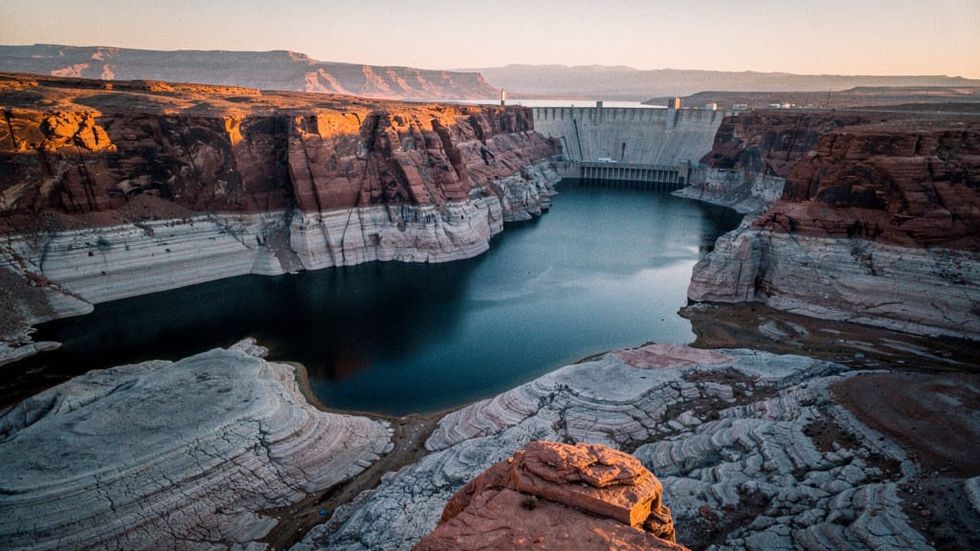
Lake Mead sat at 26.1 percent of capacity on the twelfth of October. Lake Powell sat at 22.3 percent. Mead broke its record low in September, and the two reservoirs combined now hold less water than at any time since before Powell existed.
The seven states that share the river had until the end of this year to replace the operating rules written in 2007. They did not agree. In August the federal government issued its own record of decision, abandoned the old shortage tier structure, cut lower basin deliveries by 1.25 million acre feet for next year, and set binding rules two years at a time.
The Historical Echo
The Owens Valley is the case everyone invokes and almost nobody reads carefully, because the interesting part is not the hydrology.
Los Angeles voters approved 1.5 million dollars in bonds for the purchase of land and water in 1905 and 24.5 million for construction in 1907. Fred Eaton, a former city engineer and mayor, had already gone into the valley as a private citizen, buying land with inside knowledge of the city's intentions and offering high prices to lock up rights. The aqueduct ran 233 miles through 164 tunnels and delivered water to the San Fernando Valley on the fifth of November 1913.
The city then bought the valley piece by piece for two decades. The Owens River Canal cost 2.5 million dollars, after a negotiation that ended with the two sides 41,000 dollars apart. By 1928 the city held ninety percent of the valley's water and by 1934 some ninety five percent of its agricultural land. Owens Lake was dry by 1924.
Ranchers dynamited the aqueduct in May 1924, seized the Alabama Gates that November, and ran an advertisement headed We Who Are About to Die in March 1927.
Then the money disappeared, and not to the city. In early August 1927 a state banking investigator arrived in Bishop and found a shortage of roughly two million dollars across the banks run by the Watterson brothers, who had organised and financed the resistance. The deposits that vanished included the proceeds of the very land and ranch sales to Los Angeles.
The economist Gary Libecap went through the transaction records and found something that complicates the folk version. No sale was made under threat of eminent domain, and those who held out until 1930 did best of all. They were paid, in many cases more than farming would ever have returned. The capital stayed in the valley only as long as the bank holding it did.
Where Patient Capital Is Positioning
Scarcity and price have come apart. Colorado-Big Thompson units on the northern Front Range traded around 85,000 dollars an acre foot last year, down roughly sixteen percent from a 2022 record near 101,000, over exactly the four years in which both great reservoirs set record lows. Nebraska's irrigated land fell one to two percent last year along with everything else. Water attached to land is not yet trading as a separate asset class, whatever the brochures say.
The regulatory horizon is the bigger change. A right whose delivery rules were fixed for nineteen years is now governed two years at a time by federal decision, and the groundwater underneath is being metered where it never was. California put its first subbasin on probation in 2024, charging for every acre foot pumped. In the Texas panhandle the average saturated thickness of the aquifer across one of the oldest conservation districts is now fifty one feet.
For capital thinking across generations the Owens Valley lesson is financial rather than hydrological. Land with water on it is one of the few genuinely non reproducible assets, and the people who owned it were paid handsomely in the end. What destroyed them was holding the proceeds in the only bank in town. Converting an irreplaceable physical asset into money is the easy half. The hard half is what the money is standing in when the transaction clears.
The Capital Memo