Strategic Intelligence Feed
Real-time analysis of the resources and power shifts redefining global sovereignty
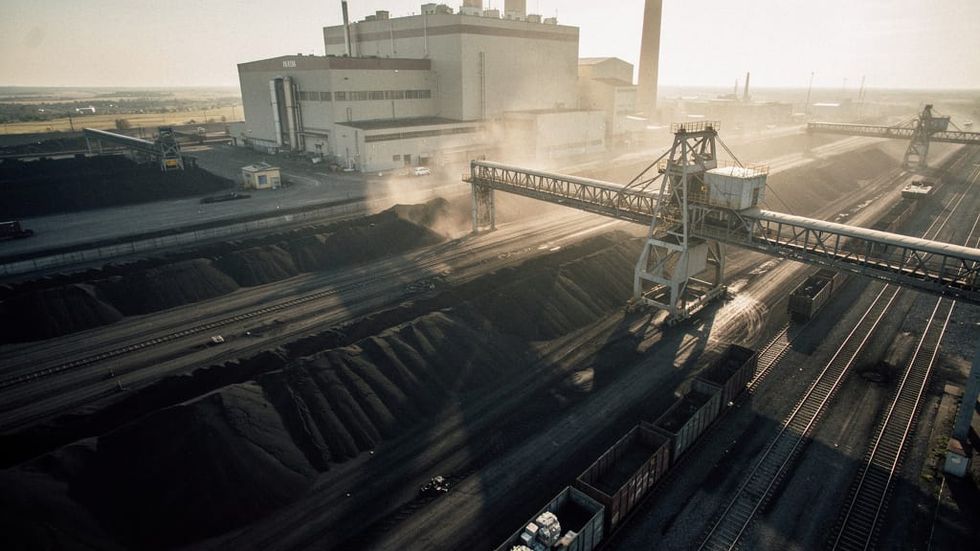
Not One Coal Unit Retired This Year
American utilities planned to close 6,354 megawatts of coal fired generating capacity in 2026. Through August not a single coal generator had retired. Not one. The year before was almost as striking. Eight gigawatts of coal closures were scheduled for 2025 and 2.6 gigawatts
American utilities planned to close 6,354 megawatts of coal fired generating capacity in 2026. Through August not a single coal generator had retired. Not one.
The year before was almost as striking. Eight gigawatts of coal closures were scheduled for 2025 and 2.6 gigawatts actually happened, across four plants, the smallest annual retirement in fifteen years. Of the capacity on the 2025 schedule, 4.8 gigawatts was pushed into a later year and 1.1 gigawatts had its closure cancelled outright.
Two things are doing this. Some of it is the owners: the Tennessee Valley Authority moved Cumberland unit 2 and three Kingston units from 2026 to 2034, an eight year deferral taken before any federal involvement, and about forty four percent of this year's schedule was moved or left undated by the companies that own the plants.
The rest is Washington. The Department of Energy has issued more than forty emergency orders under section 202(c) of the Federal Power Act since May of last year, directing plants to keep running. Roughly 2,570 megawatts of this year's schedule is still dated 2026 and still operating under one of them.
The Historical Echo
This fleet exists because of a law that lasted less than nine years.
President Carter signed the Powerplant and Industrial Fuel Use Act on the ninth of November 1978 as part of the National Energy Act. It barred new electric generating plants from using natural gas or petroleum as their primary energy source and required them to be physically capable of burning coal. The reasoning was that gas was scarce and coal was abundant and domestic, and that too few utilities had switched voluntarily.
Utilities did what the statute told them. Over the following decade natural gas fell from 13.8 percent of American electricity generation to 9.3 percent while coal rose from 44.2 percent to 56.9 percent. An entire generation of coal plants was ordered, financed and built against a mandate.
The mandate was repealed on the twenty first of May 1987. Gas turned out not to be scarce, the economics reversed, and the law that had forced the choice went away. The plants did not. Most of the American coal fleet was built before 1980.
That is the structural fact worth holding. A policy decision with a nine year life created assets with a fifty year life, and those assets are now being kept alive by emergency orders written in ninety day increments.
Where Patient Capital Is Positioning
The argument for keeping them is electricity demand from data centres, and the argument has just been examined by the people best placed to check it.
The grid operator covering thirteen states from Chicago to the Atlantic assumed data centre load would rise from 7,927 megawatts this delivery year to 21,474 megawatts by 2028 and 2029. Its independent market monitor filed in September that 4,016.9 megawatts of that load had already been cancelled or delayed, forty two percent of the forecast growth. The capacity shortfall the forecast implied falls by about fifty five percent once the cancellations are counted.
The courts have taken a similar view of the legal basis. On the eleventh of September a federal appeals court vacated the original order keeping the Michigan plant running, holding that no statutory emergency existed and rejecting what it called a sweeping conception of the authority. The department issued three more plant specific orders in the following two weeks.
Meanwhile the plants are being kept but not run. Coal consumption rose about seven percent in 2025 because gas was expensive, and is forecast to fall six percent this year, with coal's share of generation sliding from seventeen percent to fifteen by 2027. Prices are up about forty percent this year for a reason that has nothing to do with coal: the closure of the Strait of Hormuz in February and the loss of Qatari liquefied natural gas pushed Asian buyers back toward the solid fuel.
For capital with a long horizon the useful observation is that an old generating asset's value has detached from its output and attached to its optionality. A unit that runs at a low capacity factor and loses money on energy can still be worth keeping for what it is worth on the worst evening of the year. That is a real and durable form of value. But here it is being created by administrative order rather than by contract, and an order a court can vacate in a morning is a thin foundation for a fifty year asset.
The Capital Memo