Strategic Intelligence Feed
Real-time analysis of the resources and power shifts redefining global sovereignty

Wheat Prices Are Rising Again for a Very Old Reason
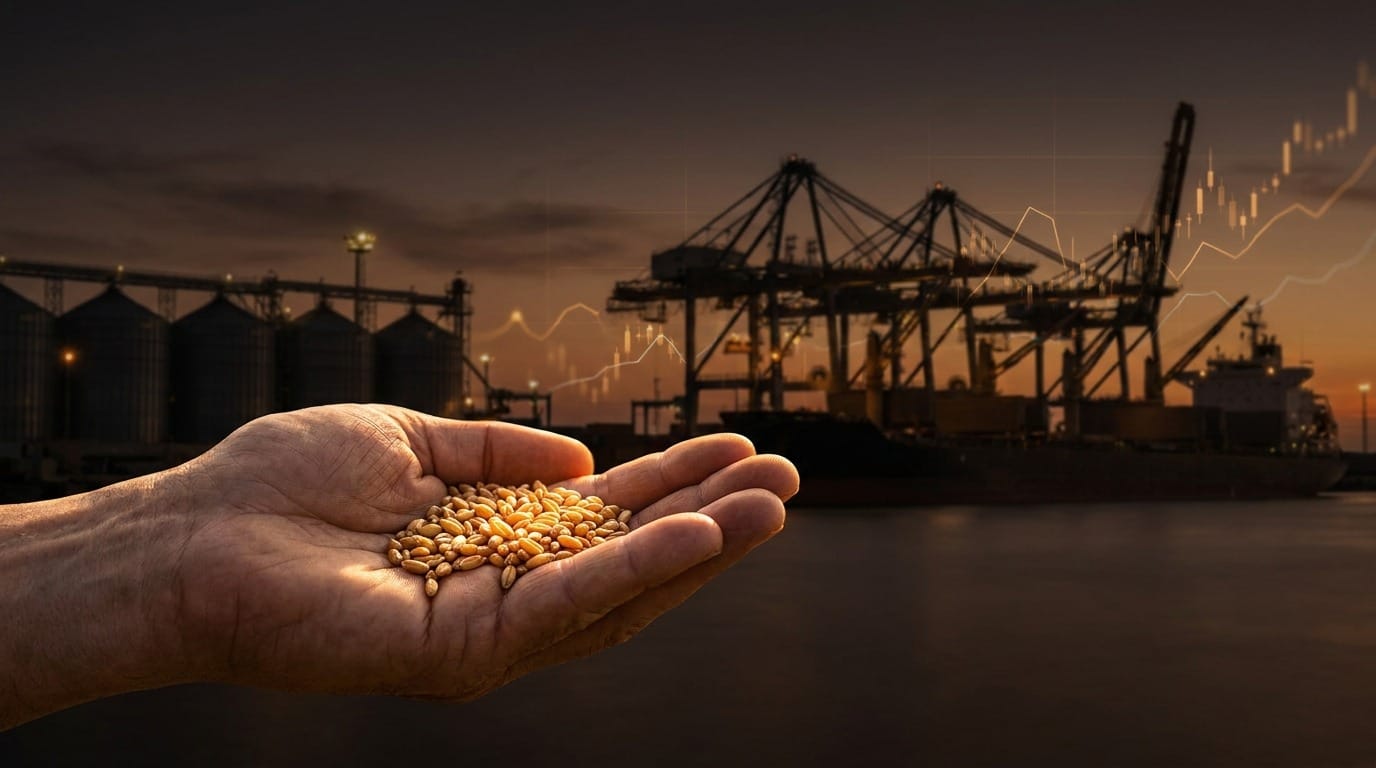
Wheat prices have been climbing toward two year highs this year, driven largely by renewed disruptions to Black Sea grain exports as regional conflict continues to threaten the ports that move a meaningful share of the world's wheat supply. Global harvests remain generally abundant,
Wheat prices have been climbing toward two year highs this year, driven largely by renewed disruptions to Black Sea grain exports as regional conflict continues to threaten the ports that move a meaningful share of the world's wheat supply. Global harvests remain generally abundant, which has kept the increase from becoming a full blown crisis, but the pattern is a familiar one. Whenever conflict or policy interferes with the physical movement of grain from where it is grown to where it is needed, food prices around the world respond quickly, regardless of how much wheat exists in silos elsewhere. The headline framing treats this as a commodities market story. History treats grain supply disruption as one of the oldest and most politically consequential problems a government can face.
The Historical Echo
Britain's Corn Laws, in force from 1815 to 1846, offer one of the clearest historical examples of what happens when policy interferes with the physical flow of grain during a period of genuine scarcity. Enacted after the Napoleonic Wars to protect domestic landowners who had prospered while continental blockades kept foreign grain out of British markets, the tariffs kept domestic grain prices artificially high long after the wartime justification for doing so had disappeared. For three decades the laws served their intended purpose, sustaining elevated profits for British agricultural landowners at the direct expense of everyone who bought bread.
The consequences turned severe when Ireland's potato crop failed in 1845, triggering a famine that would eventually kill roughly a million people. Grain that might have relieved the shortage existed elsewhere in the world, but the Corn Laws kept it artificially expensive to import at the exact moment the population most needed it. The political pressure that followed, driven by the Anti-Corn Law League and the visible horror of the famine, forced Prime Minister Robert Peel to repeal the tariffs in 1846, a decision that split his own party and ended his premiership, but ushered in a new era of free trade in British grain markets for the rest of the century. The episode remains a stark historical lesson in how policy, not just harvest failure, can turn abundant global grain supply into localized scarcity with devastating human consequences.
Where Patient Capital Is Positioning
Today's Black Sea disruptions operate through conflict rather than tariff policy, but the underlying mechanism is the same one the Corn Laws illustrated two centuries ago. Grain exists in the world in sufficient quantity, yet interference with its physical movement, whether through war, export restrictions, or protective tariffs, can produce real price shocks and real food insecurity for populations that depend on imports arriving reliably. The 2022 disruption to Ukrainian grain exports and the renewed pressure on Black Sea shipping this year both reflect the same vulnerability, concentrated agricultural export capacity sitting in a region where physical access can be interrupted by forces entirely unrelated to how much wheat farmers actually grew that season.
For long-horizon capital, the Corn Laws are a reminder that agricultural commodities carry a political dimension that gold and industrial metals typically do not, since disruptions to food supply translate directly into human suffering in a way few other commodity shocks do. That does not make farmland, water rights, and the broader chain of agricultural production and distribution any less relevant to a portfolio built around physical, tangible assets. If anything, the political stakes attached to grain supply, then and now, are exactly what make reliable access to productive agricultural land and the infrastructure that moves its output such a durable form of wealth across generations, regardless of which region's ports happen to be contested in a given decade.
The Capital Memo