Strategic Intelligence Feed
Real-time analysis of the resources and power shifts redefining global sovereignty
Washington Is Cutting the Cost of Pulling Energy From the Ground
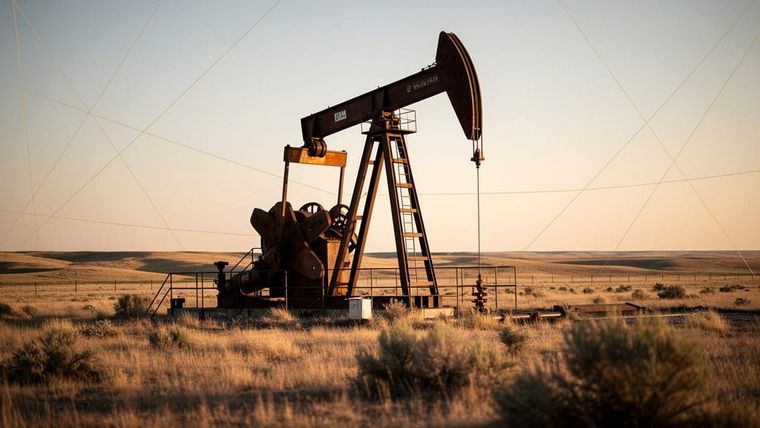
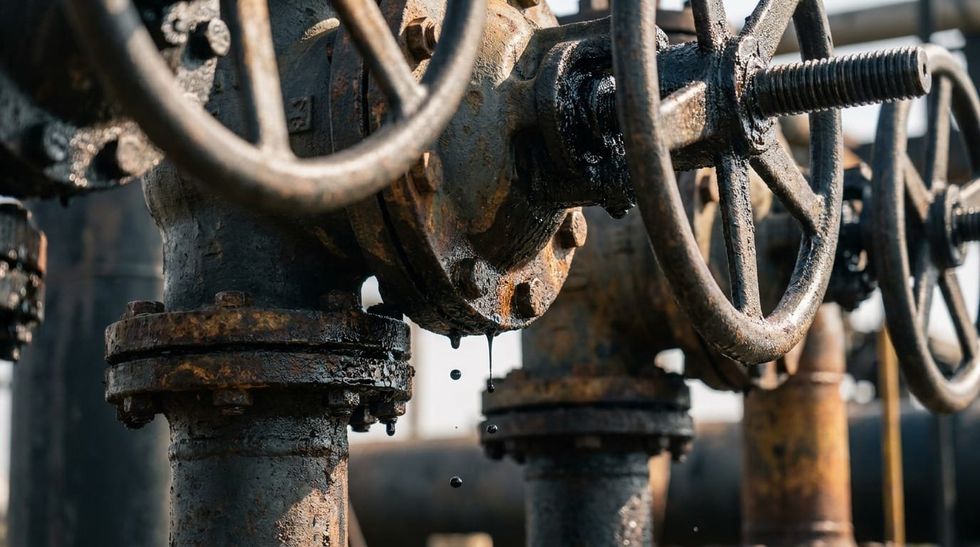
Federal regulators have moved this year to roll back royalty rates and streamline the leasing rules that govern oil and gas production on federal land, part of a broader policy push to expand domestic energy output and reduce the regulatory burden on producers. The headline framing
Federal regulators have moved this year to roll back royalty rates and streamline the leasing rules that govern oil and gas production on federal land, part of a broader policy push to expand domestic energy output and reduce the regulatory burden on producers. The headline framing is a story about deregulation. The more durable signal is a reversal of the incentive structure itself. When Washington makes it cheaper to extract a barrel of oil or a cubic foot of gas from American soil, it is making a deliberate choice about where domestic capital should flow, and that choice has a long history of shaping how much energy the country actually produces.
The Historical Echo
The United States has run this experiment in the opposite direction before, with instructive results. After oil prices surged in the 1970s and price controls were finally lifted, Congress passed the Crude Oil Windfall Profit Tax Act of 1980, designed to capture much of the additional revenue that decontrolled prices would otherwise have delivered to domestic producers. The tax was not a royalty in the technical sense, but it functioned the same way from a producer's perspective, raising the effective cost of bringing a barrel of American oil to market. The results were measurable. Over the following six years, the tax is estimated to have reduced domestic oil production by roughly one to five percent while import dependence rose correspondingly, and it never came close to generating the revenue Congress had projected. By 1988 it was repealed outright, a rare admission that the policy had discouraged exactly the domestic production it was meant to tax.
That episode demonstrates something simple but easy to forget in the middle of a policy debate: the cost of extracting a physical resource from the ground is not fixed by geology alone. It is shaped, often significantly, by the royalty rates, taxes, and permitting rules a government chooses to impose on the producers doing the extracting. Raise that cost and less domestic energy gets produced, with the difference made up through imports. Lower it, and the incentive runs the other way. The current push to cut royalty rates on federal land is, in effect, a conscious attempt to run the 1980s experiment in reverse..
Where Patient Capital Is Positioning
For long-horizon capital, the interesting question is not which political party favors which royalty rate this year. It is what this kind of policy shift means for the physical assets sitting underneath American soil. Energy royalties, working interests, and mineral rights are a direct claim on that physical resource, and their value is sensitive to exactly the kind of extraction economics that federal leasing rules help determine. When the cost of production falls, the economics of a given well or lease improve, and previously marginal domestic reserves become viable to develop.
This is not a call to chase any single royalty trust or drilling project. It is a reminder that domestic energy production has proven, across several policy cycles now, to be highly responsive to the incentive structure Washington puts in place, in either direction. A family holding a direct interest in domestic oil and gas royalties, or evaluating one, is holding an asset whose value is tied to a tangible resource being physically extracted from the ground, income that tends to rise with energy prices and, as this year's policy shift suggests, income that also responds directly to how much friction the government chooses to place between the resource and the producer willing to bring it to market.
The broader pattern fits comfortably alongside the other physical assets long-horizon capital has been drawn toward this year, gold, silver, and productive farmland among them. Energy royalties add a different texture to that same allocation: a stream of income tied directly to a domestic, physical resource rather than a store of value that simply sits and holds. Policy will keep shifting from one administration to the next, as the swing from the 1980 windfall tax to today's rollback illustrates. What has not shifted is the underlying value of owning a direct claim on a resource that has to be physically pulled from the ground rather than promised on paper.

The Capital Memo