
James Coleman

The Balance Sheet Started Growing Again
On the twenty ninth of October last year the Federal Open Market Committee announced that the runoff of its securities holdings would end on the first of December. Quantitative tightening had removed more than 2.2 trillion dollars from the balance sheet since June 2022 and brought the securities portfolio
A Chokepoint Closed and the Forecast Reversed
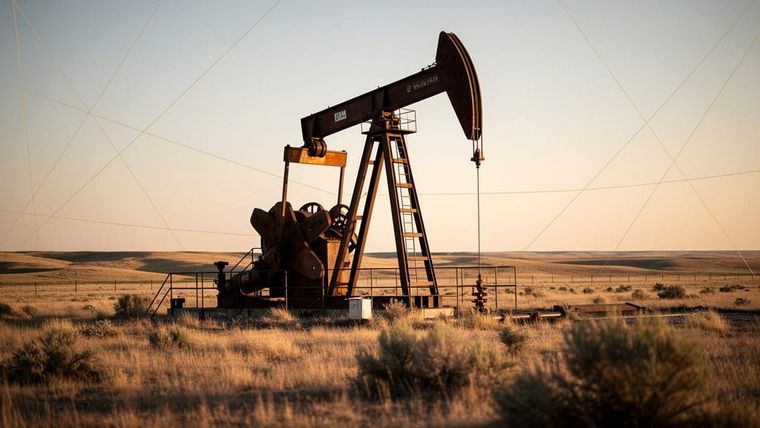
In December of last year the Energy Information Administration expected American crude oil production to fall. Its outlook put 2026 output at 13.5 million barrels a day, roughly a hundred thousand below 2025, which would have been the first annual decline after four consecutive years of growth. The reasoning
The Copper Is There, the Smelters Are Not
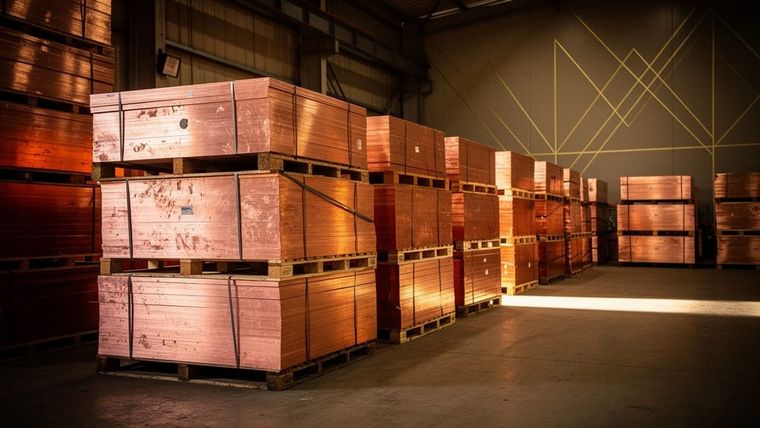
The annual benchmark that copper miners and smelters negotiate each December settled this year at zero. Treatment and refining charges, the fee a smelter collects for turning concentrate into metal, came in at nothing per tonne for 2026, down from $21.25 in 2025 and $80 in 2024. On the

The Custody Question Central Banks Are Quietly Answering
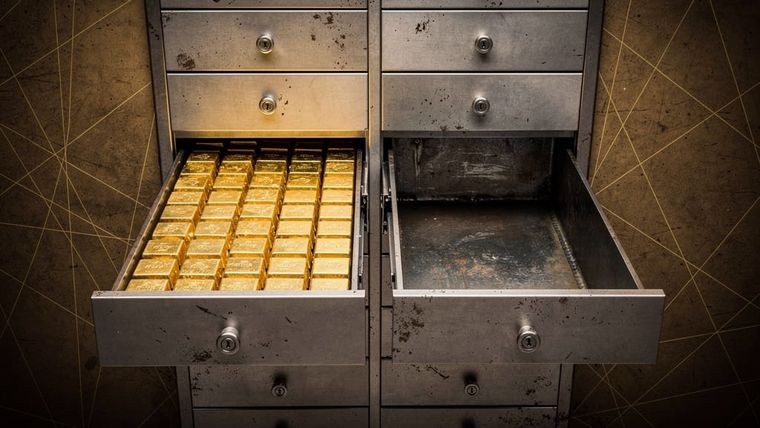
The World Gold Council's 2026 survey of central bank reserve managers drew 76 responses, the largest participation in the survey's nine year history. Most of the attention it received went to the buying, which has been heavy and well documented. The more revealing answers were about

The Land Market Has Quietly Split in Two
The Federal Reserve Bank of Kansas City's agricultural credit survey for the second quarter showed something that does not usually happen in farm country. Ranchland values across the Tenth District rose about seven percent from a year earlier. Non irrigated cropland rose about one percent. Irrigated cropland rose

What the Uranium Term Market Knows That the Spot Price Does Not
Uranium finished August with a spot price near $89.75 a pound, up about four percent on the month, which is the number that gets quoted. The number that matters is the other one. The long term price, the level at which utilities and producers sign multi year supply contracts,
The Quiet Handoff in Who Funds the Treasury
The Treasury International Capital data for June, released in the middle of August, showed foreign investors holding roughly $9.3 trillion of United States government debt. That is close to a record, and the headline reading is reassuring. The world still finances Washington without apparent difficulty, and the auctions still

Silver's Sixth Deficit and the Inventory Nobody Counts
The Silver Institute expects the silver market to run a supply deficit again this year, the sixth consecutive one, with the shortfall estimated at roughly 67 million ounces. Mine production is forecast to rise about one percent to 820 million ounces, drawn from expanded operations and new projects in Mexico,

The Stockpile America Sold and Is Now Trying to Rebuild
Resource nationalism has moved from a theoretical risk to an operating condition of the minerals trade. China expanded export controls on rare earth elements and the technologies used to process them in October of last year, suspending the measures a month later after they had already demonstrated what the mechanism

Cropland Sets Another Record While the Rent Stands Still
The Department of Agriculture's annual land values report, released at the end of July, put average United States cropland above six thousand dollars an acre for the first time, at $6,020, a rise of 3.3 percent over the prior year. Pastureland reached $2,000 an acre

Why Warsaw Keeps Buying Gold Faster Than Anyone Else
Poland's central bank has again led the world in gold purchases this year, adding more bullion to its reserves than any other monetary authority and continuing a buying program that has run for the better part of a decade. The National Bank of Poland now holds roughly 550

The Forty Trillion Marker and the Cost of Carrying It
The federal debt crossed forty trillion dollars in the third week of August, according to Treasury Department figures, having roughly doubled since 2017. Markets absorbed the number without much reaction, and that quiet is the more interesting part of the story. A debt total is a stock figure, and stock

The Cattle Shortage Is a Reminder of How Slowly Herds Rebuild
The American cattle herd has fallen to its smallest size in roughly 75 years, and beef prices have climbed accordingly, with ground beef up nearly 60 percent over the past five years and choice cuts of steak setting fresh records this summer. Ranchers holding cattle are seeing genuinely strong profits,