Strategic Intelligence Feed
Real-time analysis of the resources and power shifts redefining global sovereignty

America Becomes the World's Energy Supplier, Again
American natural gas exports are climbing at a pace that has turned the country into the fastest growing source of energy supply on the planet, with liquefied natural gas shipments now averaging well over sixteen billion cubic feet a day and new export terminals coming online
American natural gas exports are climbing at a pace that has turned the country into the fastest growing source of energy supply on the planet, with liquefied natural gas shipments now averaging well over sixteen billion cubic feet a day and new export terminals coming online through this year and next. The volumes are projected to keep climbing for decades. The headline framing is a story about domestic production numbers. The more interesting framing is that this is not the first time an English speaking, resource rich nation has found itself supplying the energy that keeps the rest of the industrial world running, and the last time it happened, that role helped define an empire's geopolitical power for the better part of a century.
The Historical Echo
From the 1820s until the outbreak of the First World War, Britain held a position remarkably similar to the one the United States is building today, as the world's dominant exporter of the fuel powering global industry. British coal exports grew from roughly 15 million tons a year at mid century to nearly 100 million tons annually by 1913, supplying the ships, railways, and factories of nations that lacked comparable reserves of their own. Britain's advantages were straightforward, enormous coal deposits located conveniently near navigable rivers and major ports, positioned close to Europe's largest industrial markets, allowing British coal to reach customers more cheaply than almost anyone else's.
That position was never simply commercial. Britain's role as the industrial world's primary energy supplier reinforced its broader economic and geopolitical dominance throughout the Victorian era, at a time when British industrial exports alone made up nearly 40 percent of world trade. Nations that depended on British coal to run their factories, heat their cities, and fuel their navies had a material interest in staying on reasonable terms with the country supplying it. Energy exports were never just a revenue line for Britain. They were a form of leverage baked directly into the structure of the international economy.
Where Patient Capital Is Positioning
The United States is not building a coal export empire, but the structural position it now occupies in natural gas looks familiar in outline. American shale reserves, developed over roughly the past two decades, have turned a country that once worried openly about energy dependence into the supplier nations across Europe and Asia increasingly rely on for reliable, flexible fuel, particularly as they diversify away from other, less trustworthy sources. That shift carries the same basic logic Britain's coal exports carried a century ago, a nation holding the physical capacity to supply energy the rest of the world needs accumulates a form of influence that a purely financial or diplomatic relationship cannot replicate.
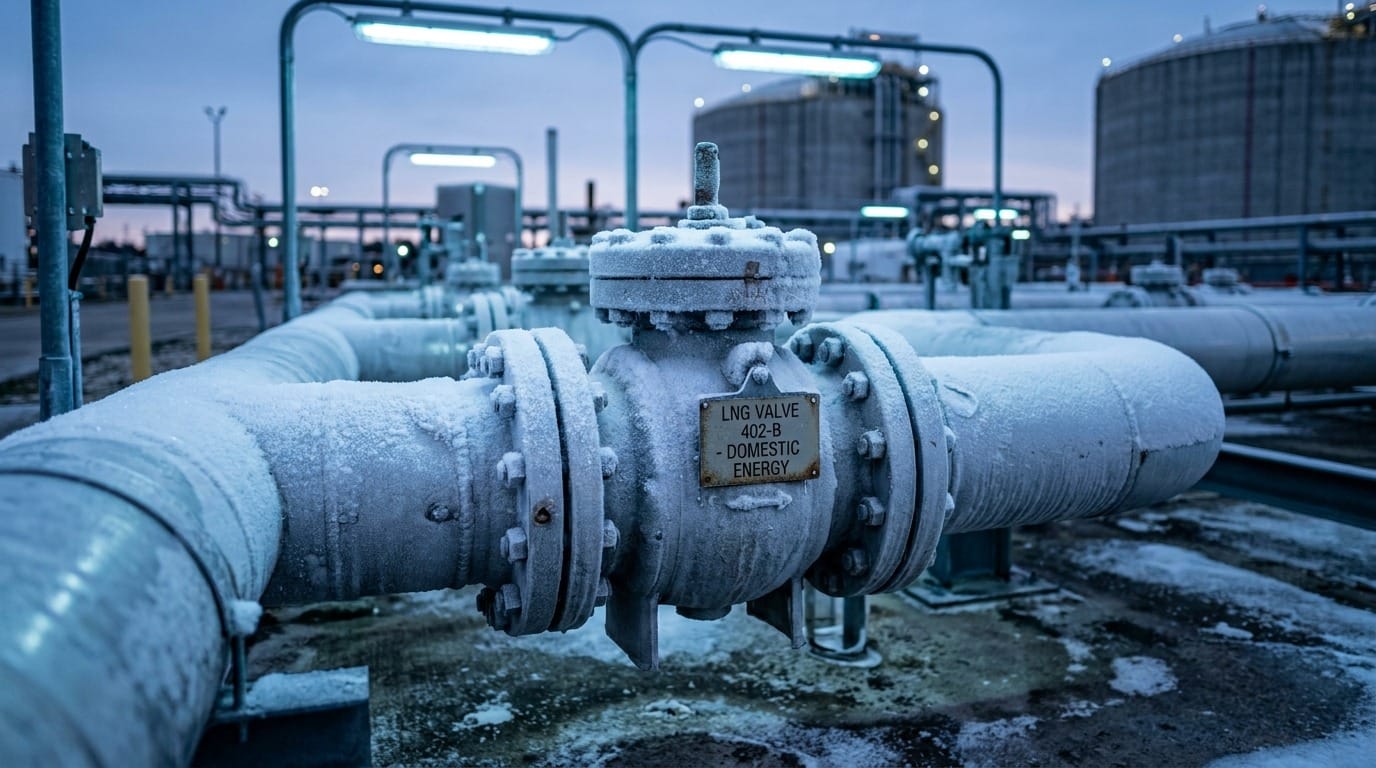
For long-horizon capital, domestic energy infrastructure, the wells, pipelines, and export terminals underpinning this buildout, represents a direct claim on precisely the kind of physical capability that history shows tends to compound into broader strategic advantage over a long enough horizon. Britain's coal dominance eventually faded as the world shifted to oil and Britain's own reserves depleted relative to newer producers, a reminder that no energy advantage lasts forever. But for the better part of a century, being the nation the rest of the industrial world depended on for fuel was one of the most durable sources of national strength available, and the United States appears to be building a modern version of exactly that position.
For a family evaluating where long-term capital belongs, the parallel points toward the same conclusion drawn from oil royalties and domestic mining earlier this year. Physical energy infrastructure sitting on American soil is not simply a bet on this quarter's natural gas price. It is a claim on a strategic capability that, if history from the Victorian era is any guide, tends to translate into durable economic and geopolitical advantage across an entire multi-decade cycle, long after any single year's export figures are forgotten.
The Capital Memo